
Edit Content

CPAP Therapy

CPAP Therapy Starting at $1,435

Choose from top-rated devices including the ResMed AirSense 11 and AirSense 10 AutoSet. Every option includes professional setup, mask fitting, and education.

We are committed to offering the best pricing on the latest CPAPs, allowing you to select the device and clinical support plan that works best for you.”

AirSense 11 AutoSet
Initial Setup Only*

$1,435
- AirSense 11 CPAP device
- 3 Year Manufacturer Warranty
- Mask fitting and education
- Device setup per prescription
- No ongoing clinical follow-up

*Pricing is available exclusively to existing patients and/or patients with a prior history of CPAP use.

AirSense 11 AutoSet
Clinical Follow-Up (Up to 12 Months)

$1,675
- AirSense 11 CPAP device
- 3 Year Manufacturer Warranty
- Mask fitting and education
- Device setup per prescription
- Clinically indicated follow-up for up to 12 months
- Therapy adjustments as needed

AirSense 11 AutoSet
Clinical Follow-Up (Up to 5 Years)

$1,850
- AirSense 11 CPAP device
- 3 Year Manufacturer Warranty
- Mask fitting and education
- Device setup per prescription
- Clinically indicated follow-up for up to 5 years
- Therapy adjustments as needed

What is a CPAP device?

A CPAP is a device that continuously sends air into the airways through a tube and a mask placed over the nose or mouth or both simultaneously (facial, nasal, oral or narrow-nosed).

The device has a quiet air turbine that constantly delivers and maintains sufficient pressure to keep the throat and mouth tissues in a normal position. This helps to keep the airways open and prevent them from sagging or closing. 

CPAP is used to treat sleep apnea, among other conditions. Continuous Positive Airway Pressure (CPAP) is the most common treatment for moderate to severe obstructive sleep apnea (OAS).

CPAP therapy is delivered using a mask worn at night. A CPAP machine consists of a bedside compressor, a hose, and a face mask. The apparatus is worn at night to ensure constant, obstruction-free, breathing. It remains the most effective treatment for sleep apnea when well tolerated by the patient.
Several CPAP devices, masks and accessories are available today. Your Dorma sleep specialist will help you choose the one that suits you the best. When choosing your CPAP mask, it is essential to have a properly fitting mask for optimal treatment. The mask must be comfortable to wear, especially as it will be worn during the night.
The CPAP device requires a prescription, which will indicate the level of pressure you need to set the CPAP correctly. The medical prescription usually includes a CPAP mask and a humidifier.

The CPAP mask must be able to combine comfort of use and effectiveness when treating sleep apnea.

The mask must meet the following criteria:

  1. Comfortable to be worn throughout the night
  2. Have a secure facial seal to prevent leaks
  3. Easy to use to be put on and taken off without assistance

CPAP therapy is the most effective treatment for sleep apnea. By using a CPAP device daily, you will be able to:

Sleep better 

The CPAP device will help you keep your breathing system open while you sleep. This will help reduce or eliminate snoring.

Reduce the risk of cardiovascular disease 

Sleep apnea can cause heart problems since breathing stops during sleep, it may increase blood pressure and also reduce the level of oxygen in the blood. The CPAP device treats the symptoms of sleep apnea, reducing the cardiovascular risk.

Improve your mood 

Sleep apnea causes fatigue, which causes irritability. CPAP therapy improves the quality of sleep and your mood.

Find the Right CPAP Mask

Choosing a suitable CPAP mask is essential. Our specialists will assist you throughout the installation process to guide you in the choice of your mask. Several types of masks are available for treating sleep apnea with continuous positive airway pressure (CPAP) ventilation.

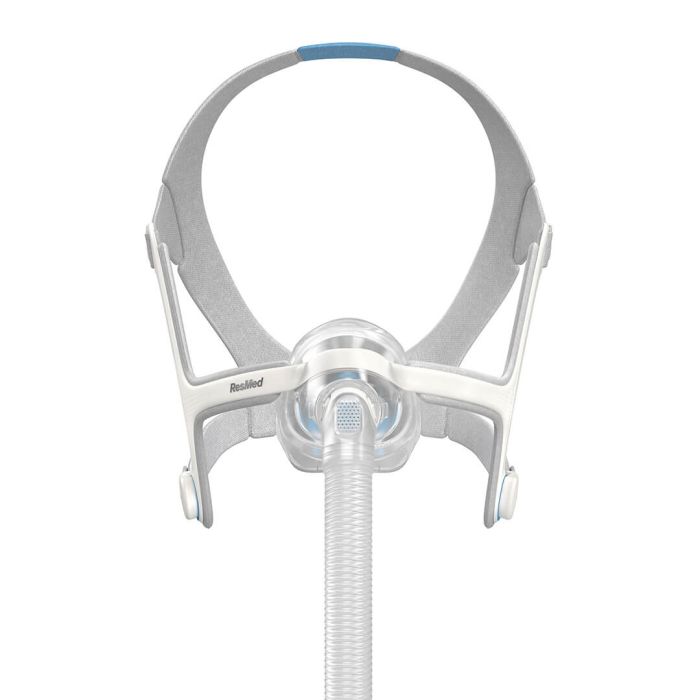
Nasal Mask

Best for patients who breathe primarily through their nose. Lightweight and held in place with a headgear system.
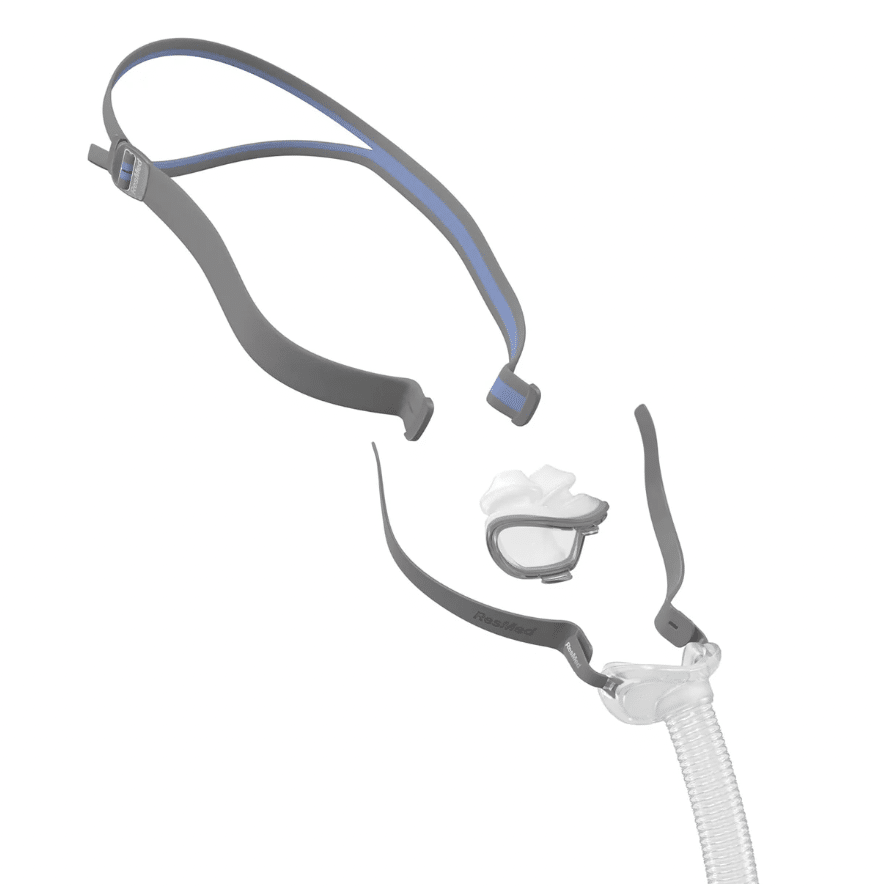
Nasal Pillow Mask

A minimal option that sits at the nostrils. Often preferred by patients who want less facial contact.
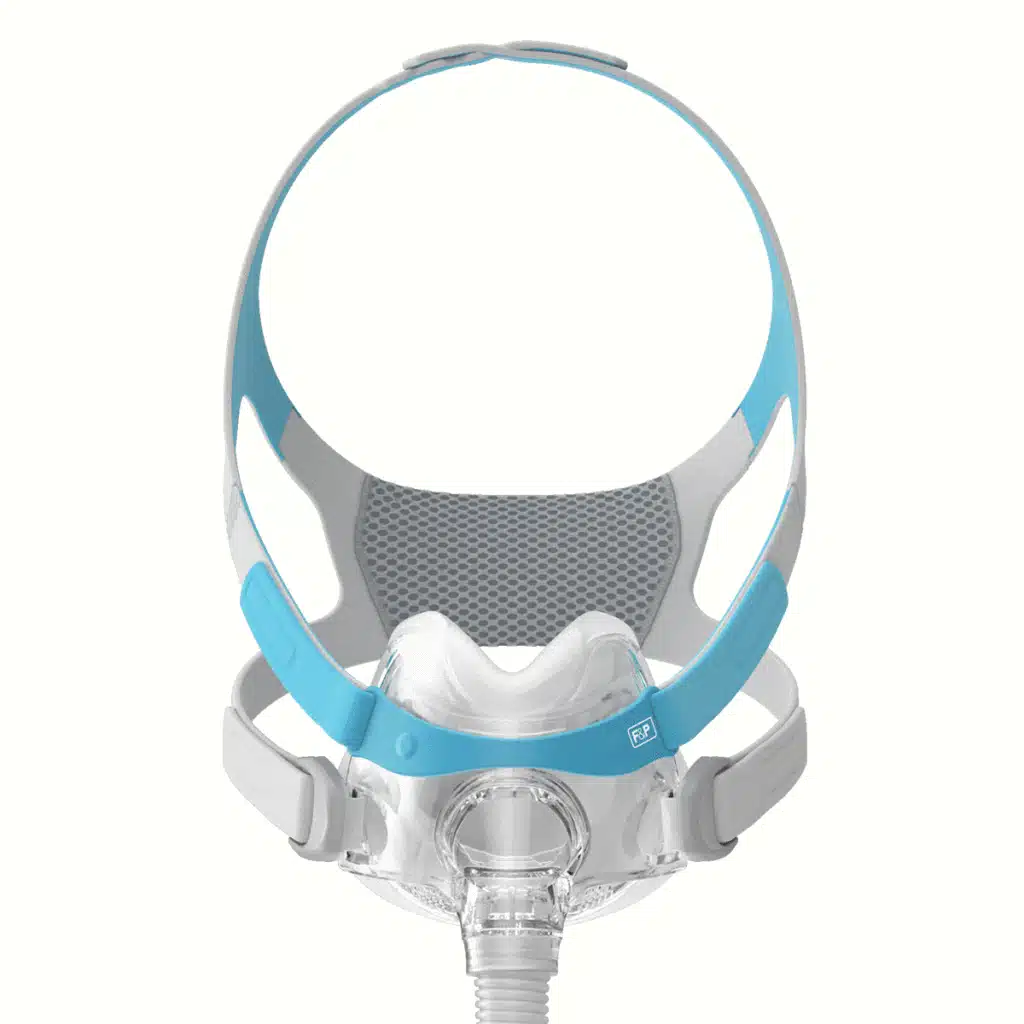
Full Face Mask

Covers both the nose and mouth. Suitable for patients who breathe through their mouth during sleep.

Take The Online Sleep Assessment

Take our free online sleep assessment to quickly and easily determine if you may be at risk for a sleep disorder.